
Newsletter no. 4
Nature-based Solutions for Demonstrating Climate-Resilient Critical Infrastructure
Listening to Infrastructure Managers: What prevents the uptake of Nature-based Solutions?
From January to April 2025, researchers from the Nature-Demo project conducted 22 interviews with infrastructure managers, aiming to understand how climate change affects their infrastructure, and how NbS could help mitigate associated risks. Amongst the interviewees were professionals responsible for roads, energy grids, and water systems—both public and private—operating in regions particularly vulnerable to climate change driven hazards such as flooding, landslides, and extreme heat. Overall, interviews were carried out in eight European countries, including Austria, Croatia, Czechia, Germany, North Macedonia, Romania, Slovenia, and Spain.
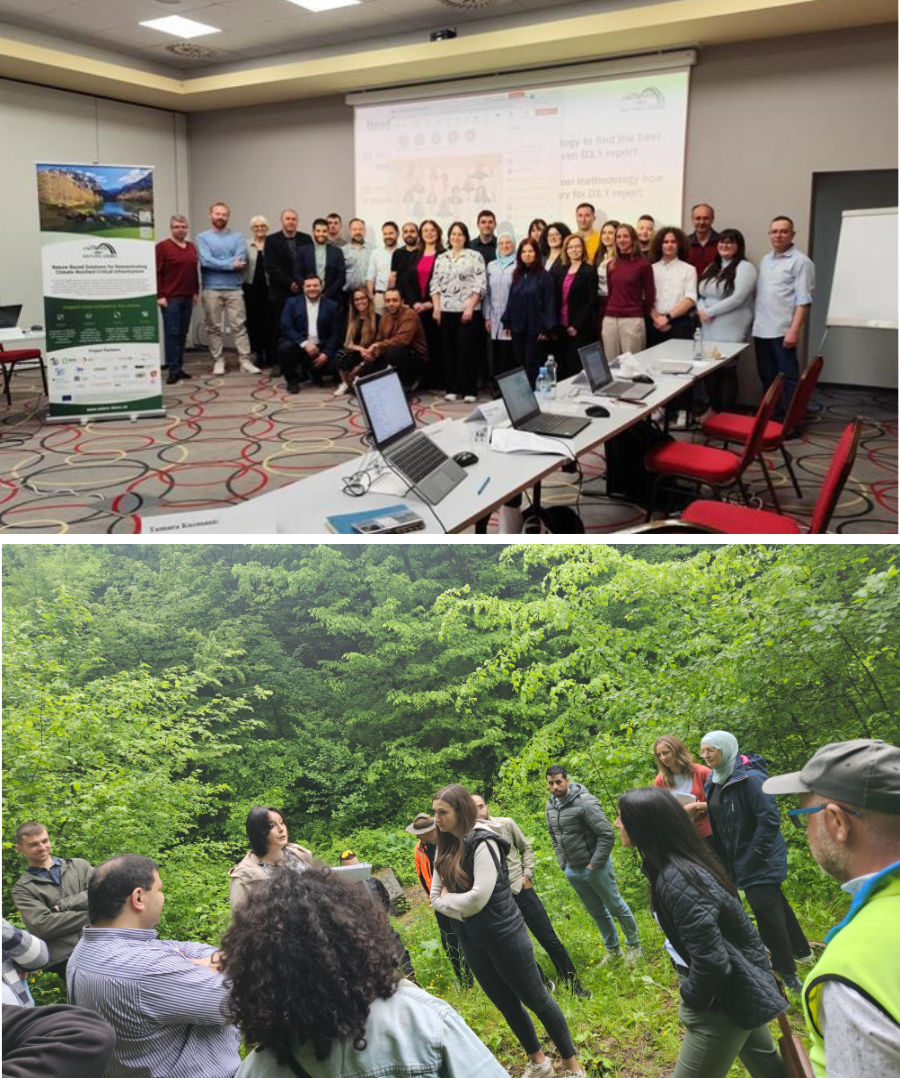
The interviews followed a standardized guide to explore four core areas: risk perception, decision-making processes, awareness of- and experience with NbS, and perceived barriers to their implementation. Interview results were recorded and transcribed or duly noted down on response sheets, and later on analysed in NVIVO. While the majority of interviews were carried out online, some consortium members also used this change to carry out field visits or stakeholder meetings (see photo).
What Did We Learn?
The interviews revealed a strong interest in NbS among stakeholders, especially for reducing landslide risk and managing stormwater. Out of the 22 interviewees, only two were unfamiliar with NbS, and the majority of organizations have previously worked with or applied NbS. However, stakeholders cited regulatory uncertainty and lack of technical standards as major obstacles to NbS uptake. As interviewees explained:
“If I build against the rules or need a special permit, then it costs time and money, and I have the uncertainty whether it will be approved. The more of these NbS are standardized and accepted as part of the rulebook, the better.”
“It is only through discussion [...], that we are starting to clarify how NbS can be integrated with other concepts, such as sustainable water management and green infrastructure.”
Despite widespread awareness of their potential benefits, many hesitate to adopt NbS due to unclear procedures and lack of recognition in permitting and funding systems. Further, the interviews revealed that NbS were widely acknowledged for their environmental benefits, while they were not seen as a good alternative to grey solutions in economic terms. Overall, the interviews confirmed findings from earlier research, which highlights the need for standardized frameworks and improved coordination across sectors.
Feeding Into the NbS Catalogue
Insights from the interviews directly informed the Nature-Demo NbS Catalogue, which should address the gaps identified by stakeholders by including real-world examples of NbS application, guidance on planning and permitting, and, where possible, cost-benefit data tailored to infrastructure managers. By aligning the catalogue with end-user needs, the Nature-Demo project helps reduce uncertainty and supports more widespread adoption of NbS across Europe.

In North Macedonia, interviews were conducted in person, using this opportunity to tell more about the Nature-Demo project and facilitating closer collaboration with stakeholders.
NATURE-DEMO’s Milestone 2 “List of NbS relevant to climatic threats on the regional infrastructures” achieved
Geospatial mapping of critical infrastructure, Catalogue of Nature-based Solutions for Climate-Resilient Infrastructure - Submitted on the 30th April 2025!
We are proud to announce the successful submission of one of the most pivotal deliverables in our NATURE DEMO Horizon Europe project:
The Catalogue of Nature-based Solutions for Climate-Resilient Infrastructure
This milestone represents months of collaboration, research, and meetings, discussions and co-editing - aimed at reshaping how we approach the protection of critical infrastructure with the inclusion of NbS and hybrid solutions in the face of multi-hazard threats.
What is it?
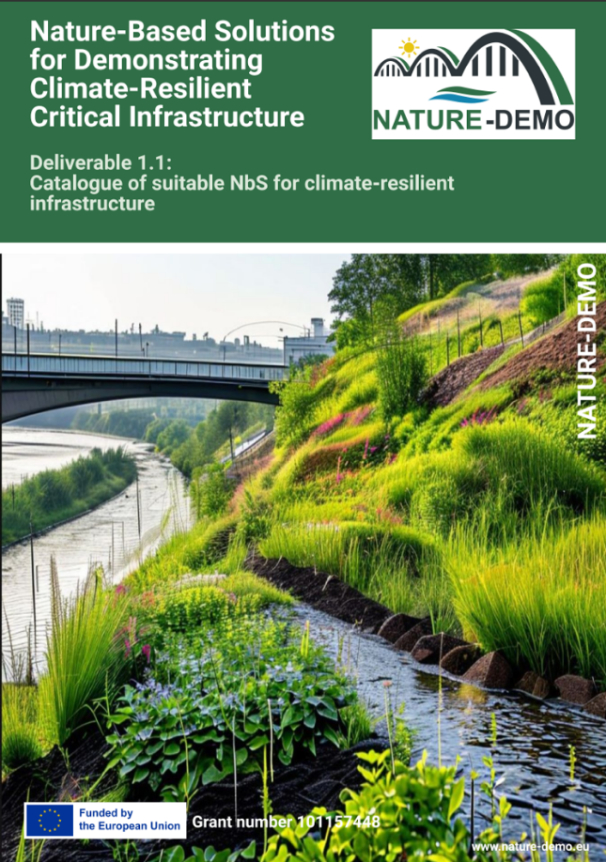
The NbS Catalogue offers a comprehensive and structured overview of nature-based interventions tailored to strengthen the resilience of infrastructure systems against hazards such as floods, landslides, wildfires, and heatwaves. It presents actionable solutions that bridge ecological sustainability with engineering demands. Factsheets of different types of NbS, grounded in real-world applications that have been both implemented and monitored, are coded and categorised under specific NbS Families, to serve as a guidance for stakeholders.
Why is this important?
In an era of growing climate and environmental challenges, the Catalogue is designed to support infrastructure planners, emergency managers, engineers, policymakers, and community stakeholders in:
- Accelerated integration of NbS into infrastructure design and risk management practices.
- Informed decision-making through evidence-based typologies, cost-benefit insights, and examples of installations.
- Enhanced collaboration in multi-stakeholder environments where ecological, technical, and social priorities converge.
How to use the catalogue?
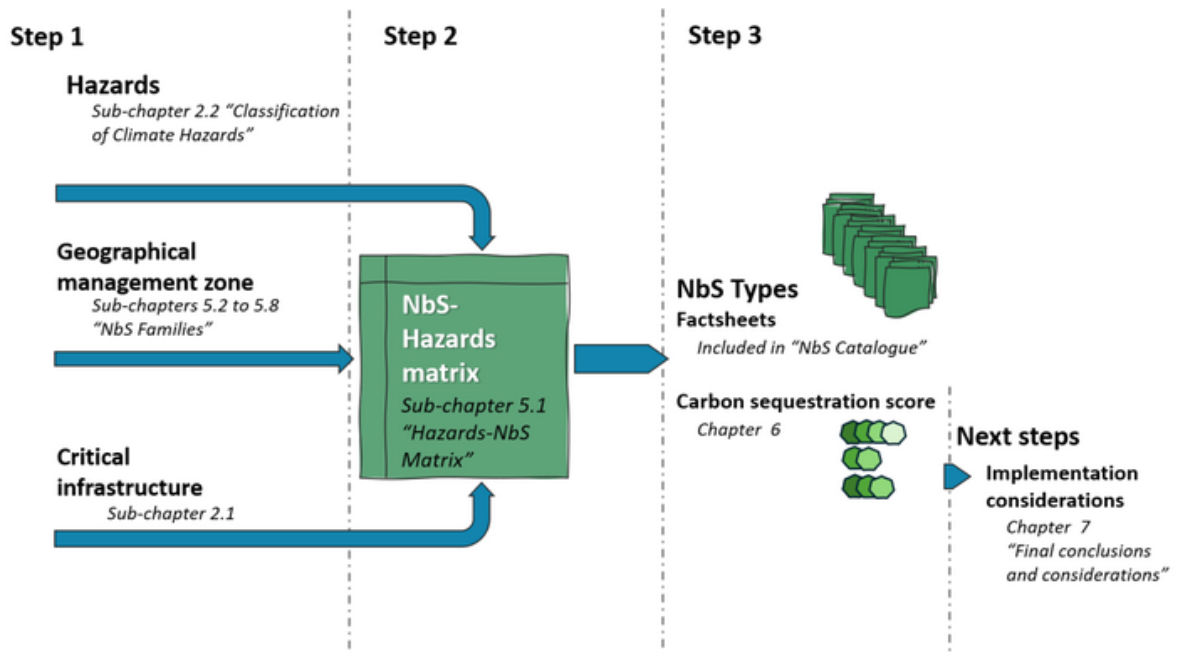
The NbS Catalogue is designed to support the optimisation of NbS selection in practice. By following the 3 steps (see figure), users can:
- identify main hazards to sites that impacts critical infrastructure;
- identify applicable NbS Types using NATURE DEMO NbS-Hazards Matrix, an initial assessment framework;
- consult factsheets and analyse example installed cases for suitability to their own geographical unit.
With our catalogue, users can learn about NbS in a multi-hazards’ context, gaining insight into potential solutions, ready to further explore context-specific planning with experts.
What comes next?
The Catalogue will be made publicly available in an accessible digital way. Its structure will allow users to explore solutions by hazard type, infrastructure context, or NbS family—making it a practical guide for adaptation planning across Europe and beyond.
Development of the online interactive catalogue
We are excited to present the Online Interactive Catalogue, developed as part of the NATURE-DEMO Project, an innovative initiative focused on understanding and communicating natural hazards across Europe. The catalogue serves as a digital hub where environmental risks are mapped, explored, and made accessible to a broad audience — from scientists and policymakers to educators and citizens.
The catalogue features a comprehensive collection of geospatial layers, providing insights into critical hazards such as urban heat islands, drought severity, wildfire occurrences, vegetation stress (as a proxy for desertification), flood events, and snow cover related to avalanche risks. All data are derived from reliable Earth observation sources and presented through an intuitive web map interface.
Why is this important?
In an era of growing climate and environmental challenges, the Catalogue is designed to support infrastructure planners, emergency managers, engineers, policymakers, and community stakeholders in:
- Accelerated integration of NbS into infrastructure design and risk management practices.
- Informed decision-making through evidence-based typologies, cost-benefit insights, and examples of installations.
- Enhanced collaboration in multi-stakeholder environments where ecological, technical, and social priorities converge.
What makes this tool particularly powerful are its integrated functionalities, which are demonstrated in a dedicated tutorial. To see the catalogue in action, we invite you to watch the video tutorial available here: https://www.youtube.com/watch?v=72Lq00OdxRw.
Users can navigate the map using zoom and pan controls, select regions or administrative areas, activate or deactivate specific layers, and access detailed attribute data for each location. The map interface supports searching, switching between hazard types, and interpreting data through visual cues and tooltips, ma-king it accessible even to users with no GIS experience.
The Online Interactive Catalogue can be accessed here


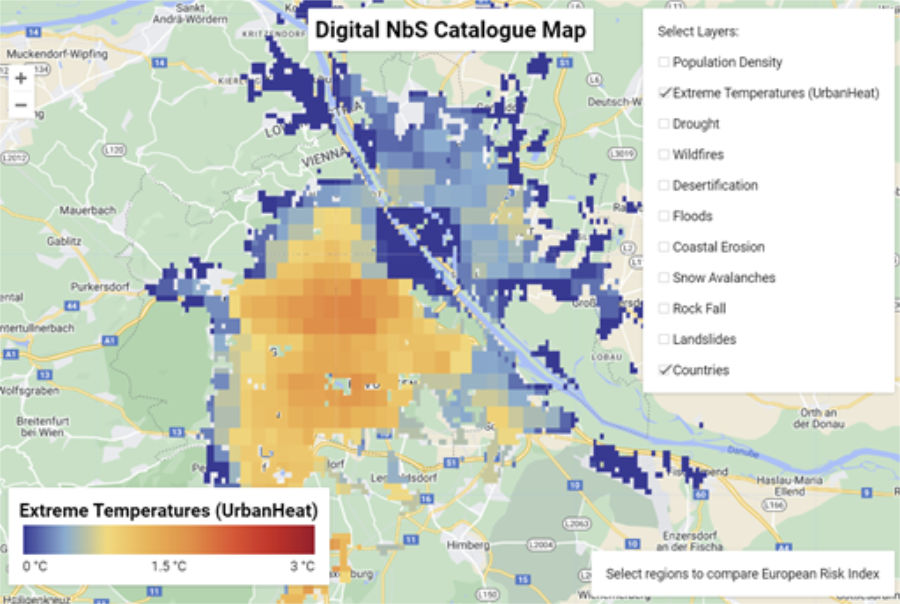

The development of this catalogue is an ongoing process. As part of the NATURE-DEMO project, we continue to improve its functionalities by integrating additional datasets, responding to feedback from partners, and enhancing usability based on real-world needs.
This tool is a key outcome of our mission to make natural hazard data more transparent, interactive, and usable. We invite all users to explore, engage, and contribute to its continuous development.
Nature-based Solutions for Urban Green Infrastructure in Brașov, România
Urban Green Infrastructure (urban green spaces, such as city parks and gardens) plays a crucial role in maintaining the health of people by providing essential environmental services, including reducing air pollution and high temperatures and offering recreation areas. DEMO 2 will provide solutions to improve the urban green infrastructure in the city of Brașov, Romania, by using elements provided by the surrounding nature.
Brasov, a city of 300,000 people, is one of the most polluted cities in Romania, even though it is surrounded by forests. Its geographical location favours the stagnation of polluted air, hence the need of healthy green spaces, providing a high quality air filtration service are essential for the city.
Most of the green spaces are built on a 30-40 years old concept/design, without a proper landscape approach, with trees distributed randomly, very few shrub species and many exotic species, which look good but do not provide high quality environmental services. Following the same trend, in the last 20 years, a significant part of the agricultural land in the administrative territory of the city has been used for the construction of new residential neighborhoods.
The past few years showed longer lasting periods of extreme heat and drought. These two hazards lead to: plant foliage loss, desiccation of vegetation, and cessation of plant growth, resulting in several adverse effects on the human environment, such as reduced capacity for dust and pollutant retention in the air, diminished oxygen production, lowered atmospheric carbon sequestration, increased carbon footprint due to higher maintenance requirements, and decreased effectiveness in noise pollution reduction.
Heat and drought also cause a decline in plant immunity, leading to the development of pathogens. Consequently, this increases the need for the maintenance of green spaces, along with the associated climate footprint - high watering needs, intensive pest control, costs with replacing species that do not resist to higher temperatures.
Moreover, drought conditions significantly increase the irrigation requirements of green spaces, exerting a negative impact on urban water resources.
NbS are integral to building resilient cities by addressing environmental challenges while providing economic benefits. They offer a sustainable approach to urban planning that integrates natural systems with urban infrastructure, thereby enhancing both environmental and economic resilience.
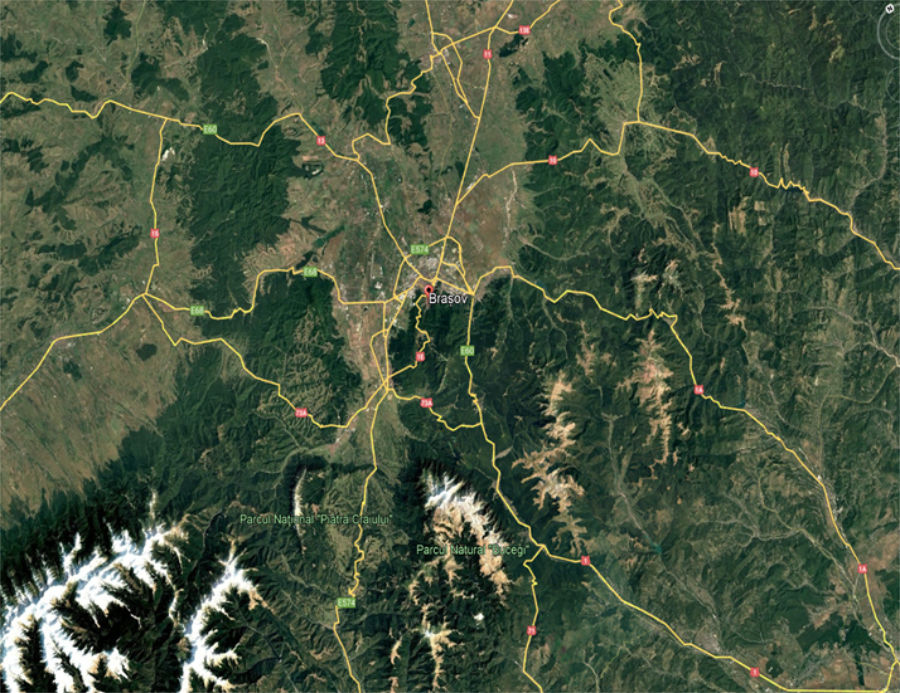
Brașov City and surroundings - Piatra Craiului National Park, Bucegi Natural Park and other protected areas - Natura 2000 sites and natural reserves

Example of high density buildings in residential neighborhoods
Through the NATURE-DEMO project, Propark - Fundația pentru Arii Protejate, with the collaboration of Transilvania University, will increase the quality of 10,000 m2 of green spaces in the city, by implementing NbS like vertical stratification, the use of native species adapted to local climate, high density planting, the use of a mixture of species, avoid monocultures: alignments, hedges, use of mulch from natural materials, retaining leaves and other decomposing organic matter on the soil surface. Propark already identified possible locations and we are about to decide which are more suitable, together with the representatives of Green Spaces Department of Brasov City Hall.
Consortium Meeting, 20-22 May 2025, Zvolen Slovakia
Between 20 and 22 May 2025, a major meeting for the NATURE-DEMO project took place in Zvolen, Slovakia. This was a key moment for the project partners and the Advisory Board to take stock of progress, address challenges, and strategize for the future of nature-based solutions (NbS) in critical infrastructure.
The NATURE-DEMO project, an innovation action funded under the European Union’s Horizon Europe Programme, aims to revolutionize the way we protect our critical infrastructure from the impacts of climate change. Running for four years, from May 2024 to April 2028, the project focuses on validating digital methodologies, rigorously monitoring implemented NbS, and meticulously documenting lessons learned from real-world applications. Key discussions revolved around the following themes:
- WP1 - Nature-based solutions for infrastructure resilience: Deepening how NbS can strengthen our defenses.
- WP2 - Digital Platform for Estimating Risk Reduction: Exploring state-of-the-art digital tools developed to quantify the benefits of NbS.
- WP3 - Designing Living Labs for Testing Nature-Based Solutions: Discussing the design and implementation of real-world testbeds.
- WP4: Implementing and Demonstrating Regional Nature-Based Solutions: Progress in effectively implementing NbS in various demonstration sites
- WP6 - Information, Communication, Dissemination and Exploitation: Strategies on how to share valuable project findings with the wider world
- WP7 - Risk Management: Addressing potential obstacles and developing robust action plans to keep the project on track
The meeting was not limited to presentations; it was an active forum, with workshops, interactive discussions and critical reviews of project plans. Topics ranged from the nuanced application of NbS in various environments to sophisticated risk management strategies.
A highlight of the meeting was the focus on various demonstration sites across Europe. These real-world labs are essential for validating the project methodologies. We received updates from:
- DEMO 1 (Austria): Lattenbach Valley, Brunntal and Gschliefgraben, addressing challenges such as debris flows
- DEMO 2 (Romania): Brașov, focusing on urban heat
- DEMO 3 (Slovenia): Ljubljana, addressing urban flooding
- DEMO 4 (Slovakia): Zvolen, providing insights into wildfire prevention
- DEMO 5 (North Macedonia): Globocica, addressing water resource management.
The Zvolen Consortium meeting was a success, fostering deeper collaboration, identifying critical action plans and consolidating the project trajectory.
The enthusiasm and dedication of the participants was palpable, signaling a promising future for integrating nature-based solutions in building a more climate-resilient future for our critical infrastructure.
NATURE-DEMO Project Highlights
The NATURE-DEMO project has been actively involved in several key events, showcasing its commitment to nature-based solutions for climate-resilient infrastructure:
AI in Construction Conference
The 1st VDI Conference on AI in Construction in Frankfurt am Main highlighted the latest AI technologies and their applications in the construction industry. The conference covered topics like AI in Design and Planning, Generative Design, AI for Existing Buildings, and AI for SMEs, demonstrating how AI can improve building design, construction, and management.

NetworkNature NbS Task Forces Cluster Meeting
The NATURE-DEMO project was presented at this meeting, positioning it within a growing network of innovative projects. The presentation focused on how Nature-Based Solutions can drive sustainable, climate-resilient infrastructure development.

Knowledge Exchange Workshops with Master's Students
Workshops at the Institute of Earthquake Engineering and Engineering Seismology (IZIIS) in Skopje, North Macedonia, brought together researchers and master's students to discuss Nature-Based Solutions (NbS) and their application in sustainable development and disaster risk reduction.

EGU General Assembly 2025
Research presented at the European Geosciences Union (EGU) General Assembly 2025 in Vienna detailed the stormwater runoff reduction capabilities of urban trees. The study, conducted by the University of Ljubljana (UL), focused on the potential of birch and pine trees.

Graduates in Front of Companies AFCO 2025
The NATURE-DEMO project was presented at the 13th annual Graduates in Front of Companies (AFCO 2025) event by Transilvania University of Brasov. The presentation emphasized the role of nature-based solutions in building climate resilience.

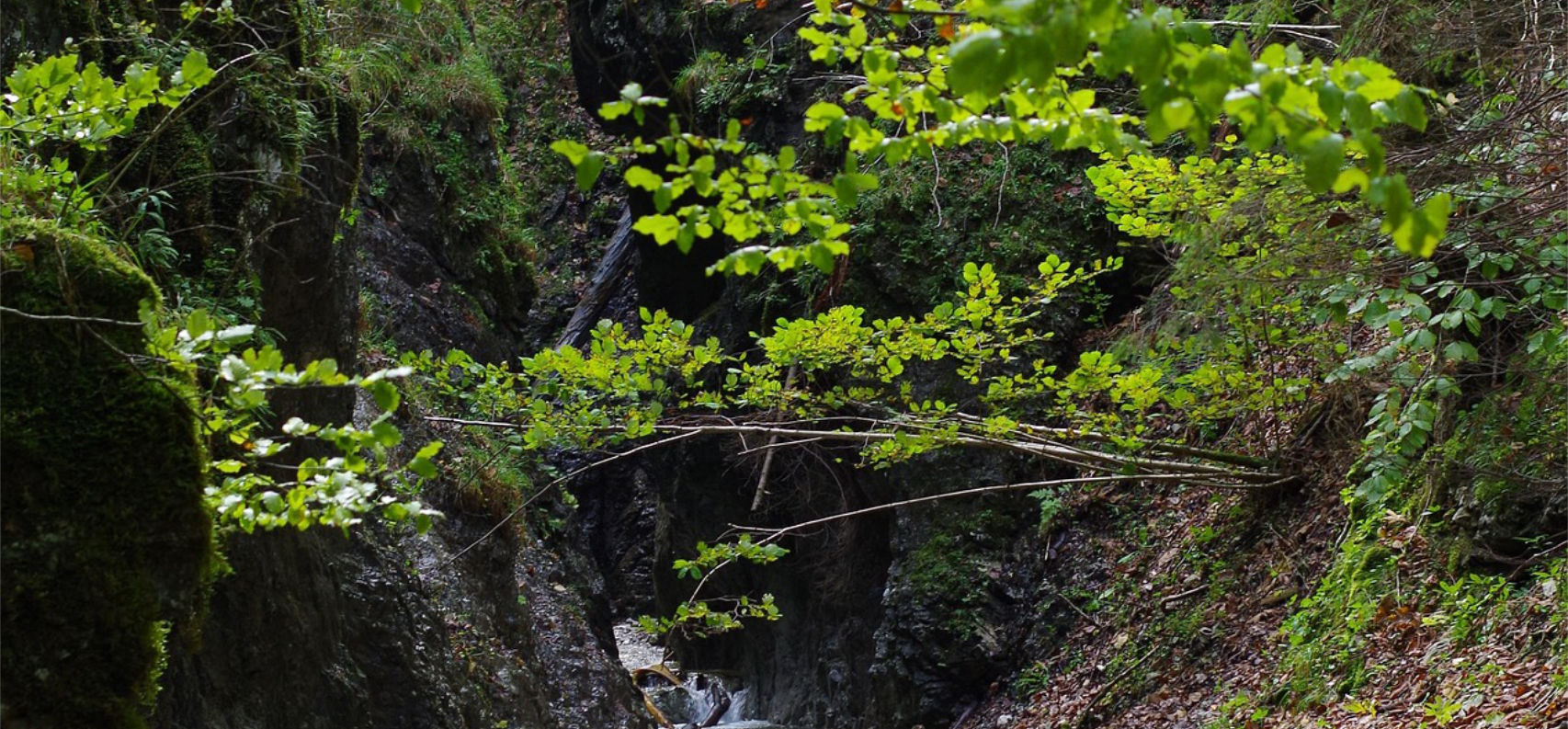
Image courtesy, Dipl. -Ing. Erik Kuschel, Institute of Applied Geology (IAG), BOKU
NATURE-DEMO Partners


















Stay tuned!