
The University of Rostock – Traditio et Innovatio
(UROS), Germany

Institution name:The University of Rostock – Traditio et Innovatio, Germany
Acronym: UROS
Partner coordinator: Panagiotis Spyridis
Website: www.uni-rostock.de
About
The University of Rostock (UROS), founded in 1419, is a public research university in Rostock, Germany, and the oldest in continental northern Europe and the Baltic Sea region. With over 12,000 students, UROS combines centuries of tradition with strong interdisciplinary research and innovation. The university is located in the historic Hanseatic city of Rostock, making it a vibrant place to study and live.
UROS belongs to the multidisciplinary Faculty of Agriculture, Civil and Environmental Engineering, fostering synergies across technical, environmental, and life sciences. This structure supports impactful research addressing societal challenges, with notable strengths in sustainable infrastructure, digitalization, and environmental protection.
Current initiatives focus on digital twins, nature-based solutions, and sustainability assessments, advancing safe, resilient, and environmentally responsible infrastructure systems. We belong to the multidisciplinary Faculty of Agriculture, Civil, and Environmental Engineering and our faculty member and University's vice rector for research Prof. Dr. Nicole Wrage-Mönnig is member of the advisory board.
Role in project
UROS, represented by Prof. P. Spyridis and Prof. J. Ploennigs, provides expertise in sustainable infrastructure, AI-driven Digital Twins, and sustainability assessments. The team will develop AI-based tools, integrate nature-based solutions into civil engineering, and contribute to advanced risk management strategies.
Key responsibilities include leading WP5 and contributing to WP2/T2.4, WP3/T3.4, and WP7/T7.3. Activities focus on creating innovative methods for infrastructure safety, resilience, and sustainability. The faculty’s multidisciplinary setting enhances the project through combined knowledge in civil engineering, environmental sciences, and agriculture.
UROS brings advanced computational facilities, engineering laboratories, and extensive EU project experience. We will collaborate closely with partners to ensure cross-disciplinary integration and effective knowledge exchange.
The team
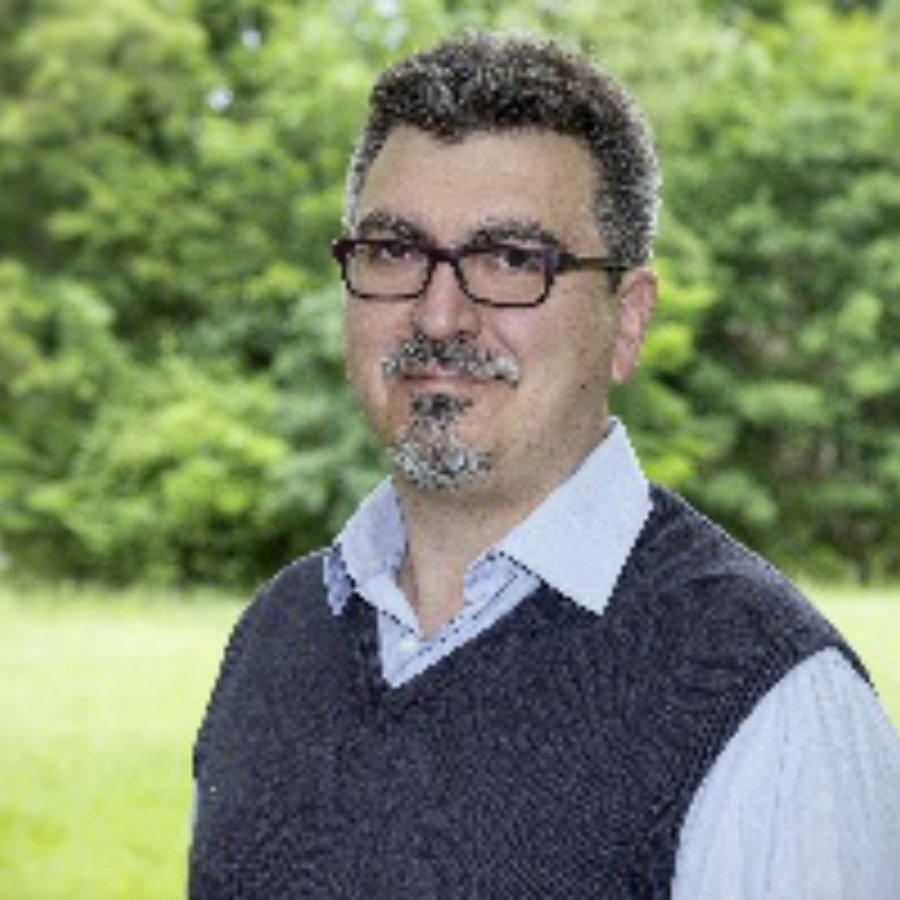
Panagiotis Spyridis
Current Position: Chair of Concrete Structures and Infrastructures
Educational Background: Civil Engineering
Relevant work experience: Risk, resilience and sustainability of concrete structures and infrastructures, machine learning applications in civil engineering, risk management of mega-scale construction projects.
Responsibilities in the project: Principal Investigator of the project on behalf of the University of Rostock. Prof. Spyridis leads the WP on coordinating replicators, ensuring knowledge transfer, stakeholder alignment, and adaptation of proven NbS to diverse regional contexts. He also contributes his knowledge on the implementation of construction activities and risk management.
Jörn Plönnigs, Prof. Dr.-Ing. habil.
Current Position: Chair for AI for Sustainable Construction
Educational Background: Electrical Engineering
Relevant work experience: Prof. Ploennigs is NSAI representative in developing international Digital Twin standards and lead author of the "/Digital Twin Maturity Model and guidance for a maturity assessment" introducing a multi-dimensional maturity model for Digital Twins. Representing IBM Research Ireland, he was IP Manager in H2020 TOPAs, advancing IoT- and ML-based post-occupancy evaluation, and WP lead in H2020 TRIBUTE, enhancing predictive capabilities of BEPS to reduce gaps between simulated and measured building performance.
Responsibilities in this project: Prof. Plönnigs co-leads the team of the University of Rostock and contributes his expertise in advanced Digital Twining and AI-based modelling in geospatial and infrastructure contexts.

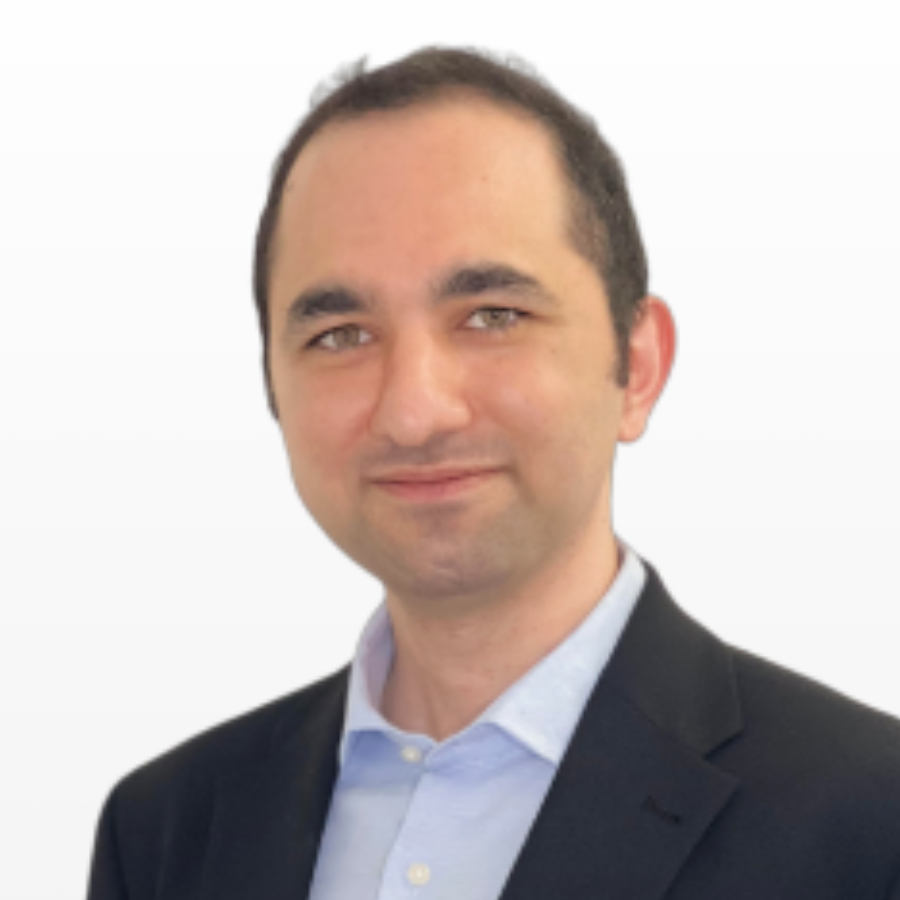
Farid Arabameri
Current Position: Research assistant
Educational Background: Applied Geosciences
Relevant work experience: GIS, implementation of Machine Learning tools for prediction of landslides
Responsibilities in the project: Researcher at the university of Rostock, Development of the Decision Support Tool (DST)
Jafar Jafari-Asl
Current Position: Postdoctoral Researcher in Risk and Resilience Analysis of Infrastructures
Educational Background: Civil and Environmental Engineering
Relevant work experience: Conducting studies on the application of digital twins in safety analysis, risk assessment, and emergency management
Responsibilities in this project: UROS’s senior researcher in NATURE-DEMO project


Hasan Akçay
Current Position: Master´s Student
Educational Background: Civil Engineering, Industrial Management
Relevant work experience: International experiences in construction management and industrial projects, with a focus on site management, project implementation, and progress monitoring through Erasmus+ programs in Türkiye, Portugal, and Germany.
Responsibilities in the project: Assistant in the NATURE-DEMO project, contributing to WP3/T3.4, WP7/T7.3, and Research Assistant at the University of Rostock
Project Updates
-
NATURE-DEMO Newsletter no. 9
Stay updated on how NATURE-DEMO is strengthening European infrastructure resilience against climate hazards. Explore our latest quarterly newsletters to discover key project milestones, field implementation updates across our demo sites, newly published scientific research, and upcoming events.
-
NATURE-DEMO Newsletter no. 8
Our May 2026 newsletter is packed with updates on our efforts to advance nature-based solutions (NbS) for critical infrastructure. As the NATURE-DEMO project reaches its two-year milestone, we reflect on a period of intense collaboration and scientific innovation. With the successful completion of the first three Work Packages (WPs) on April 30th, the project has transitioned from a phase of digital and conceptual framework development into the real-world deployment phase.
-
NATURE-DEMO at two years: Celebrating milestones and launching the next phase in Brașov, Romania
𝐍𝐀𝐓𝐔𝐑𝐄-𝐃𝐄𝐌𝐎 held its bi-annual consortium meeting in Brașov, Romania, between May 18–20, 2026, marking two years since the launch of the project funded by the Horizon Europe Programme and managed by CINEA - European Climate, Infrastructure and Environment Executive Agency.